Royal de Cazorla: from being a marginal cultivar to becoming the standard-bearer of olive-growing sophistication
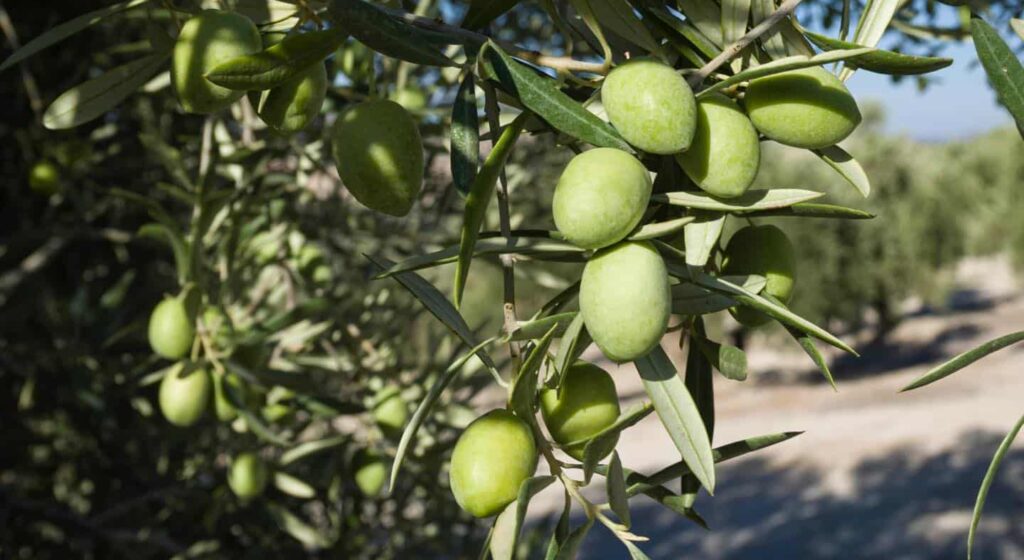
The Royal olive variety (Jaén), also known as Royal de Cazorla, represents a native jewel of the Spanish olive grove, particularly valued in the production of premium early-harvest Extra Virgin Olive Oils (EVOO). Originally from the Sierra de Cazorla in the province of Jaén, this variety is distinguished by its ability to generate oils with unique sensory profiles and a moderate content of polyphenols—bioactive compounds with potent antioxidant and anti-inflammatory properties. Its current revaluation as a premium option responds to the growing demand for exclusive, fresh, and healthy monovarietal oils, where early harvesting maximizes these attributes without compromising organoleptic quality.
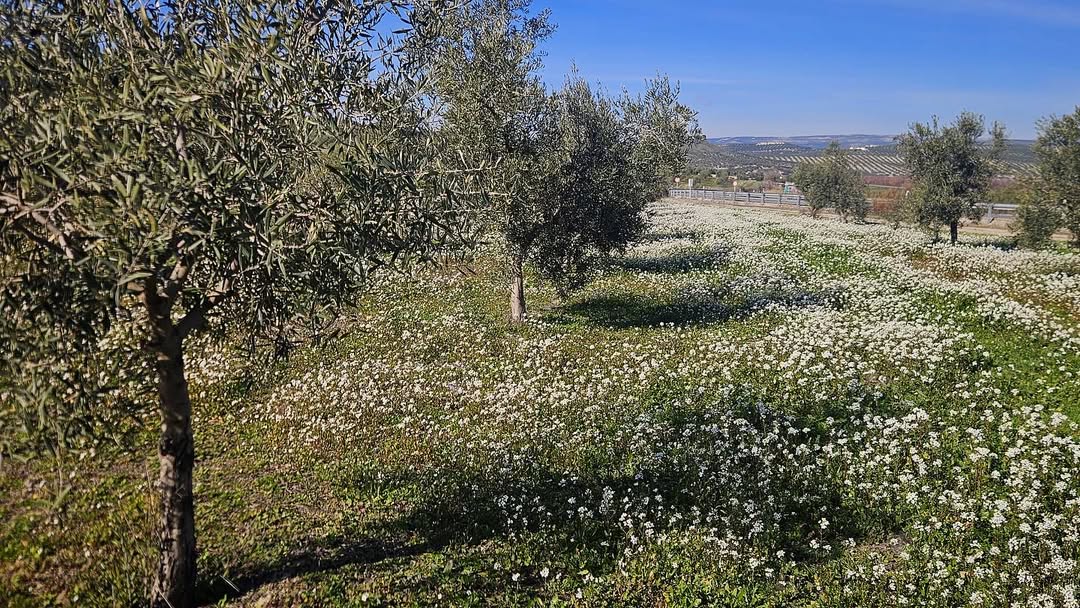
The history of the Royal variety is a tale of resistance against productive uniformity. Throughout much of the 20th century, the massive expansion of the Picual variety in the province of Jaén, driven by its high productivity and ease of harvesting, brought the Royal to the brink of commercial extinction. However, the orographic peculiarities of the Sierra de Cazorla, the Sierra del Segura, and Las Villas allowed this cultivar to survive in small, hard-to-access plots where replacement by other trees was technically unfeasible or economically costly.
Traditionally, the Royal olive was undervalued due to its low oil yield and its extreme resistance to detachment, which increased harvesting costs in a market that only valued oil by weight. The paradigm shift toward sensory quality and phenolic content has transformed these former “defects” into luxury attributes. Today, the Royal represents less than 1% of Jaén’s total olive grove and approximately 5-6% of the surface area of the Cazorla region, granting it a highly quoted rarity status in markets such as the United States, Japan, and Central Europe.
The Royal olive is large and ovoid in shape, slightly asymmetrical. Its name, “Royal,” refers to the characteristic color the fruit acquires during the ripening process. Unlike other varieties that transition directly from green to black, the Royal goes through an intermediate phase of intense red or purple, giving it a singular appearance on the tree.
A determining factor in the quality of the oil is the fruit’s resistance to detaching from the branch. This “tenacity” forces farmers to perform manual pole-beating (vareo) even when mechanical vibrators are used, which increases the required labor and, consequently, the final price of the product. Furthermore, Royal wood is particularly brittle, demanding extreme delicacy during harvesting so as not to compromise the tree’s health and the following year’s crop.
Early Harvest: Sacrificing Yield for Quality
The production of premium Royal EVOO requires an early harvest, generally carried out during October or early November, when the olive is still in veraison or intense green. This decision has profound economic and chemical implications.
The Industrial Yield Challenge One of the main reasons the Royal was historically replaced is its low oil yield, which is exacerbated in early harvests. While a Picual olive in full maturity can exceed a 23-25% yield, early-harvest Royal usually sits between 12-18% wet yield. In practical terms, this means that to produce one liter of high-end oil, a Royal farmer needs to harvest between 6 and 8 kilograms of olives, compared to the 4-5 kilograms required by a more productive variety. This lower yield is, nonetheless, the key to its quality, as the resulting oil is a “concentrate” of the olive’s cellular components.
Chemical Composition: The Polyphenol Debate There is a duality in the technical information regarding the Royal variety. While many commercial factsheets and press releases in the Jaén sector present it as the variety with the highest polyphenol concentration in the province, academic scientific studies offer a more nuanced perspective.
Scientific Evidence vs. Commercial Perception Research from the University of Jaén and the University of Córdoba indicates that, in terms of total polyphenols, the Royal variety typically presents moderate-to-low levels compared to Picual. Some monovarietal phenolic profiles place Royal in ranges of 150 to 390 mg/kg, levels significantly lower than those of Picual, which can easily exceed 600-800 mg/kg.
However, the differential value of early-harvest Royal lies in the quality of its phenolic profile, not just the total quantity. Fourteen phenolic compounds have been identified in biologically active concentrations, most notably oleacein. This chemical balance allows the oil to be smooth on the palate (low bitterness) while maintaining healthy properties and medium-high oxidative stability.
The true magic of the Royal variety manifests in the tasting glass. While Picual is defined by its power and robust character, Royal is the paradigm of elegance, smoothness, and aromatic complexity.
Nose Tasting Notes Early-harvest Royal EVOO offers an intense green fruitiness with a complexity that evokes the mountain environment where it is born. Dominant notes include:
- Green fruits: Green banana, green apple (specifically Golden type), and fresh almond.
- Vegetables: Tomato plant, artichoke, fig tree, and green stems.
- Herbaceous nuances: Freshly cut grass, mint, and subtle touches of wild aromatic herbs such as rosemary or thyme.
Palate Tasting Notes The entry into the mouth for Royal is surprisingly sweet and silky, a characteristic highly valued by consumers seeking less aggressive oils. As the oil moves across the palate, a very subtle, almost imperceptible bitterness is perceived, giving way to an elegant and late-onset peppery sting. This balance between initial sweetness and the absence of bitterness makes Royal a harmonious and sophisticated oil.
The Royal olive variety from Jaén has moved from being a marginal cultivar to becoming the standard-bearer of olive-growing sophistication. Its revaluation is not based on raw chemical power (polyphenol levels), but on an irreproducible geographical exclusivity and a unique sensory profile that combines sweetness with complex green fruitiness. The commitment to early harvest allows for the extraction of healthy compounds like oleacein while maintaining its characteristic elegance, consolidating it as the preferred choice of haute cuisine for the most delicate dishes.
The Royal olive variety (Jaén), also known as Royal de Cazorla, represents a native jewel of the Spanish olive grove, particularly valued in the production of premium early-harvest Extra Virgin Olive Oils (EVOO). Originally from the Sierra de Cazorla in the province of Jaén, this variety is distinguished by its ability to generate oils with unique sensory profiles and a moderate content of polyphenols—bioactive compounds with potent antioxidant and anti-inflammatory properties. Its current revaluation as a premium option responds to the growing demand for exclusive, fresh, and healthy monovarietal oils, where early harvesting maximizes these attributes without compromising organoleptic quality.
The history of the Royal variety is a tale of resistance against productive uniformity. Throughout much of the 20th century, the massive expansion of the Picual variety in the province of Jaén, driven by its high productivity and ease of harvesting, brought the Royal to the brink of commercial extinction. However, the orographic peculiarities of the Sierra de Cazorla, the Sierra del Segura, and Las Villas allowed this cultivar to survive in small, hard-to-access plots where replacement by other trees was technically unfeasible or economically costly.
Traditionally, the Royal olive was undervalued due to its low oil yield and its extreme resistance to detachment, which increased harvesting costs in a market that only valued oil by weight. The paradigm shift toward sensory quality and phenolic content has transformed these former “defects” into luxury attributes. Today, the Royal represents less than 1% of Jaén’s total olive grove and approximately 5-6% of the surface area of the Cazorla region, granting it a highly quoted rarity status in markets such as the United States, Japan, and Central Europe.
The Royal olive is large and ovoid in shape, slightly asymmetrical. Its name, “Royal,” refers to the characteristic color the fruit acquires during the ripening process. Unlike other varieties that transition directly from green to black, the Royal goes through an intermediate phase of intense red or purple, giving it a singular appearance on the tree.
A determining factor in the quality of the oil is the fruit’s resistance to detaching from the branch. This “tenacity” forces farmers to perform manual pole-beating (vareo) even when mechanical vibrators are used, which increases the required labor and, consequently, the final price of the product. Furthermore, Royal wood is particularly brittle, demanding extreme delicacy during harvesting so as not to compromise the tree’s health and the following year’s crop.
Early Harvest: Sacrificing Yield for Quality
The production of premium Royal EVOO requires an early harvest, generally carried out during October or early November, when the olive is still in veraison or intense green. This decision has profound economic and chemical implications.
The Industrial Yield Challenge One of the main reasons the Royal was historically replaced is its low oil yield, which is exacerbated in early harvests. While a Picual olive in full maturity can exceed a 23-25% yield, early-harvest Royal usually sits between 12-18% wet yield. In practical terms, this means that to produce one liter of high-end oil, a Royal farmer needs to harvest between 6 and 8 kilograms of olives, compared to the 4-5 kilograms required by a more productive variety. This lower yield is, nonetheless, the key to its quality, as the resulting oil is a “concentrate” of the olive’s cellular components.
Chemical Composition: The Polyphenol Debate There is a duality in the technical information regarding the Royal variety. While many commercial factsheets and press releases in the Jaén sector present it as the variety with the highest polyphenol concentration in the province, academic scientific studies offer a more nuanced perspective.
Scientific Evidence vs. Commercial Perception Research from the University of Jaén and the University of Córdoba indicates that, in terms of total polyphenols, the Royal variety typically presents moderate-to-low levels compared to Picual. Some monovarietal phenolic profiles place Royal in ranges of 150 to 390 mg/kg, levels significantly lower than those of Picual, which can easily exceed 600-800 mg/kg.
However, the differential value of early-harvest Royal lies in the quality of its phenolic profile, not just the total quantity. Fourteen phenolic compounds have been identified in biologically active concentrations, most notably oleacein. This chemical balance allows the oil to be smooth on the palate (low bitterness) while maintaining healthy properties and medium-high oxidative stability.
The true magic of the Royal variety manifests in the tasting glass. While Picual is defined by its power and robust character, Royal is the paradigm of elegance, smoothness, and aromatic complexity.
Nose Tasting Notes Early-harvest Royal EVOO offers an intense green fruitiness with a complexity that evokes the mountain environment where it is born. Dominant notes include:
- Green fruits: Green banana, green apple (specifically Golden type), and fresh almond.
- Vegetables: Tomato plant, artichoke, fig tree, and green stems.
- Herbaceous nuances: Freshly cut grass, mint, and subtle touches of wild aromatic herbs such as rosemary or thyme.
Palate Tasting Notes The entry into the mouth for Royal is surprisingly sweet and silky, a characteristic highly valued by consumers seeking less aggressive oils. As the oil moves across the palate, a very subtle, almost imperceptible bitterness is perceived, giving way to an elegant and late-onset peppery sting. This balance between initial sweetness and the absence of bitterness makes Royal a harmonious and sophisticated oil.
The Royal olive variety from Jaén has moved from being a marginal cultivar to becoming the standard-bearer of olive-growing sophistication. Its revaluation is not based on raw chemical power (polyphenol levels), but on an irreproducible geographical exclusivity and a unique sensory profile that combines sweetness with complex green fruitiness. The commitment to early harvest allows for the extraction of healthy compounds like oleacein while maintaining its characteristic elegance, consolidating it as the preferred choice of haute cuisine for the most delicate dishes.
October - November
- Green fruits: Green banana, green apple (specifically Golden type), and fresh almond.
- Vegetables: Tomato plant, artichoke, fig tree, and green stems.
- Herbaceous nuances: Freshly cut grass, mint, and subtle touches of wild aromatic herbs such as rosemary or thyme.
Salads, White Fish, Steamed Vegetables, Fresh Cheeses, Savory Pastries and a finishing touch to Creams